
As the manufacturing sector continues to innovate, the demand for high-performance equipment is at an all-time high. Among the most critical machinery in today’s production lines are press blanking lines, a crucial component for industries requiring precise, high-speed material cutting. These systems, designed to handle a wide range of materials and specifications, have become indispensable in fields ranging from automotive to electronics and home appliances.
Press blanking lines are designed to cut flat materials like cold-rolled steel (CRS) and hot-rolled steel (HRS) into precise shapes and sizes. The versatility of these machines makes them suitable for producing a broad array of parts for different industries. With their ability to handle materials ranging from 0.2mm to 2.5mm in thickness, these systems ensure accuracy in both small and large-scale production.
For instance, the press blanking line typically operates with a press capacity of up to 800 tons, making it powerful enough to handle materials in widths ranging from 300mm to 2,000mm and lengths extending from 300mm to 6,000mm. The cutting speed can reach up to 65 strokes per minute (SPM), ensuring rapid and efficient operation. Additionally, the system is designed with a magnetic stacking feature, enabling precise, stable material handling after the blanking process.
One of the most significant trends in the press blanking lines market is the adoption of automation and integration with Industry 4.0 technologies. Advanced sensors, programmable logic controllers (PLCs), and real-time data monitoring systems are being increasingly integrated into these lines, improving precision and reducing human error. This integration helps in optimizing performance and minimizing downtime.
With the implementation of automated systems, manufacturers are also seeing a reduction in material wastage. The precision of the blanking process, combined with automated handling systems, ensures that every inch of material is used effectively, thus improving overall production efficiency. Additionally, with advancements in magnetic systems for stacking, manufacturers can now safely and efficiently manage and transfer blanked materials, ensuring that the parts remain undamaged during subsequent handling.
The press blanking line is used in several industries, including automotive, aerospace, electronics, and consumer goods. In automotive manufacturing, for example, the lines are essential for producing components like body panels, brackets, and interior parts that require high precision and durability. These systems allow for the creation of complex designs that meet stringent safety and quality standards.
In the electronics industry, precision parts like connectors, enclosures, and casings are fabricated using press blanking lines. The ability to handle both small and large batches at high speed has made these systems essential in the fast-paced world of electronics manufacturing.
The future of press blanking lines looks promising, with continued technological advancements driving efficiency gains across the manufacturing sector. As industries focus on minimizing production costs and improving environmental sustainability, the role of press blanking lines is set to expand.
With rising demand for products requiring precise cutting, coupled with the need for cost-effective solutions, press blanking lines will continue to play an integral role in modern manufacturing processes. As more industries adopt automation and seek out ways to integrate cutting-edge technologies, press blanking lines will be key to maintaining competitive advantage in a rapidly evolving market.
In conclusion, press blanking lines are far from being just another piece of equipment. They are crucial to meeting the growing demand for precision, efficiency, and cost-effectiveness in industries worldwide. Their well-established role in sectors like automotive, electronics, and aerospace ensures that these systems will continue to see significant advancements, driving progress across global manufacturing sectors.

Seus especialistas em linha de corte!
 Fábrica no Japão
ENDEREÇO
487-3, Sanshincho, Chuoku, Hamamatsu, Shizuoka, Japão
 Mercado local de Japão:+81 53-425-5331
Fábrica na China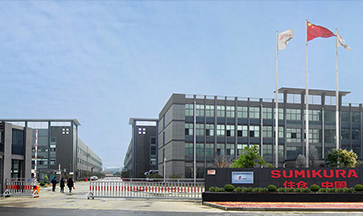
ENDEREÇO
265 Yixian Road, Deqing, Zhejiang, China
Mercado externo:+86 572-883-2016



